I have had this small tin of crab meat in my pantry for (mumble, mumble) quite some time now. I really did not know what I was going to use it for.
I think it was originally destined for a party, hanging out with other Swedish sandwich cake ingredients, but things did not work out between them, and so the crab meat, was left on the shelf… literally!
Crab Dip
Inspiration hit me one night when the Moth aka hubby and I were on our own, no family to cook for and decided on a light meal to end the week. Surfing the net always provides inspiration and along the way I found a recipe for Hot Crab Dip.
As one always does, there were adjustments I just had to make, serving it cold, and adding some extra vegetables for crunch. As I like fresh and crunchy celery, cucumber and capsicum, I chopped these up and added them in. The dish has some added Vitamin C and fibre this way.
But credit goes to Will Cook for Smiles for the essence of the recipe. She baked hers in the oven, whilst I often prefer my seafood cold, so I didn’t. It is totally agreeable either way.
It is just your own preference.
Here is what I mixed to make this superb light meal/appetizer/dip/wine & cheese accompaniment.
Crab Dip Recipe
Ingredients:
130 g tinned Crabmeat
40g spreadable Cream cheese
1/4 cup Sour cream
1/4 cup Mayonnaise
2 stalks of Spring onion, finely chopped and diced.
1 Garlic clove, crushed
1 tsp Worcestershire sauce
1 tablespoon Lemon juice
1/4 cup of shaved Parmesan cheese, to mix in
1/4 cup of shaved Parmesan cheese, for topping
Salt & fresh cracked Pepper
Optional Extras if serving it cold:
1/2 medium Yellow and Green Capsicum, chopped & diced.
1/2 small Lebanese Cucumber, chopped & diced.
Celery – 1 stalk – only if you like it very crunchy
Method for Serving Cold Crab Dip
Mix all ingredients together. Serve with crackers, fresh bread or baguette.
To Serve Crab Dip Hot:
Preheat the oven to 170 degree celsius or 340 degrees Fahrenheit
Combine all the ingredients, top with the second 1/4 cup of Parmesan cheese.
Bake 20 minutes
Serve with crusty sourdough bread or crackers of your choice.
It was hard to stop nibbling this more-ish mix with my water crackers!
Next time I’s serve it hot with some fresh salad and a secondary dish.
Never buy a packet cookie or cake mix again! Many of them are just flour, sugar and dehydrated egg or fat.
You can easily make good quality cake mixes on your own in a food processor, or by hand, if you relish manually rubbing in butter to flour; (I don’t). But it does save you money and assist in building a zero waste household!
Buying larger bags of flour and sugar, in order to make up a few batches of cake mix will save money in the long run, as you can access cheaper prices for buying in bulk. Think how much each individual box of cake mix costs. I estimate you could save at least 2/3 of the retail price. So in effect, 3 for the price of 1!
These pre-made mixes can be made up immediately they’re removed from the fridge, but it will take a little longer than if the ingredients are at room temperature when you make them up. Use this time well by preparing pans, trays etc. whilst waiting for the mix to acclimatize.
Hints on Making Your own Baking Mixes:
Measure ingredients accurately.
Place mixes into sealable plastic bags: large zip lock bags are great.
Mark down the date prepared and the contents: eg.Chocolate cake/ orange cake, on the label. You might even want to add some simple directions on preparing or baking and give these mixes as gifts to friends. A marble cake pre made mix is welcomed by my friends.
Sealed well these mixes will store in the freezer for 3 months.
Foundation Cake Pre-Mix
*NB: Self raising flour is the equivalent of 1 cup of plain or all purpose flour mixed with 2 teaspoons of Baking powder sifted and mixed thoroughly.
Cake Mix Ingredients
1 1/2 cups Self-raising Flour*
3/4 cup (180 g) castor sugar
2 tablespoons skim milk powder
125 g (4oz) butter, straight from fridge and chopped into small cubes
Combine sifted flour, sugar and milk powder in the bowl of food processor fitted with a metal blade for blending the butter.
Blitz dry ingredients for 2- 3 seconds to mix.
Add the chopped cold butter.
Process 10 to 20 seconds until butter is evenly distributed in dry ingredients.
Seal and store or continue to make a completed cake.
Making up the Cake from the Pre-Mix
Ingredients:
2 eggs
1 teaspoon Vanilla extract or Vanillin Sugar
1/2 cup water
Method:
Prepare Foundation Cake Mix in a mixer bowl as instructed above.
Add the eggs, vanilla and water.
Beat on low speed until ingredients are combined.
Increase mixer speed to medium and mix for three minutes or until mixture changes in colour and is smooth. (There should not be any lumps in the mixture; if there are, beat til they’ve disappeared).
Spread mixture evenly into well-greased 20 cm Round, Bundt, Ring, or a 28 x 18 cm, (11x 7 in) lamington tin.
Bake in moderate oven 30 minutes and leave for 10 minutes before turning on to wire rack to cool.
Cake Variations:
Orange Cake
Add 2 teaspoons grated orange rind with the water and eggs and omit vanilla.
Top cake with Orange glace icing when cold.
Coffee Cake
Dissolve 1 tablespoon instant coffee with 1/4 cup boiling water, and make up to 1/2 cup with cold water but leave to cool before using. Use this in place of the 1/2 cup water in original recipe.
Top with glace icing of your choice, or coffee icing.
Chocolate Cake
Sift 1/3 cup Cocoa into a small basin, gradually blend in 2/3 cup water, stir till smooth. Use in place of water in original recipe. (The extra water is needed in this recipe to absorb the cocoa.)
Top with chocolate icing.
Cooking Times
Cooking times vary so here is a guide to tin sizes and cooking times:
20 cm (8 inch) ring tin – 35 minutes
2 x 25 x 8 cm (10 in x 3 in) bar tins – 30 minutes
20 x 10 cm (8in x 4 in) loaf tin – 50 minutes
23 x 12 cm (9in x 5 in) loaf tin – 50 minutes
25 x 15 cm (10in x 6 in) – 45 minutes
Basic Cake Icing
Vanilla Glace Icing
1 1/2 cups Icing or Confectioners sugar
2 teaspoons Butter, melted
1/2 teaspoon Vanilla extract or Vanillin sugar
2 tablespoons Milk, approximately
Stir Icing sugar into small heatproof bowl
Stir in butter, vanilla and enough milk to make a thick paste.
Stand basin over hot water, stir constantly until icing is of spreading consistency.
Spread over cold cake with spatula.
Variations:
Orange Glace Icing: Use 2 tablespoons strained orange juice in place of milk and omit vanilla.
The beauty of this soup is that it works with most leftover vegetables. I chop up things I find in the fridge at the Home by the Sea, such as the leftover broccoli stalks or slightly limp-few days old -beans and add them in. The soup will taste just as good, if not better.
The addition of chickpeas adds a lot of fibre to this recipe and balances out the carbs hidden in the pancetta/bacon.
A hearty soup perfect for an easy family dinner.
Tuscan Bean Soup Recipe
Ingredients
2 tablespoons cold-pressed Olive Oil
2 medium Brown Onions, coarsely chopped
2 cloves Garlic, finely chopped
200g Speck, or good quality Bacon or Pancetta, coarsely sliced
2 -3 Carrots, coarsely chopped
3 Celery stalks, coarsely chopped
1 can Diced Tomatoes*
I didn’t have a can of chopped Roma Tomatoes, in the pantry, so I boiled up 8 fresh Roma tomatoes, chopped them roughly, then boiling them in a saucepan till soft, [about 8 -10 minutes on medium heat].
1/4 head of Cabbage, shredded coarsely
1- 2 Zucchinis, coarsely chopped
2 teaspoons Thyme
2 cups Chicken or Vegetable stock
1 cup Water
1 small can of Chickpeas, in vinaigrette, rinsed and drained
1 new Potato, coarsely chopped
1 whole Celery stalk with leaves attached
Chives, a handful sliced plus some extra for garnishing
Serves 6
Tuscan Bean Soup
Method
Heat oil in a large saucepan
Cook onion, celery, garlic, and selected cured meat, such as Pancetta, stirring until onion and celery is soft (about 5 minutes)
Add carrot, undrained tomatoes, cabbage, zucchini, potato, thyme, stock, drained chickpeas, water and the whole celery stalk, with leaves attached.
Bring to boil
Simmer uncovered about 30 – 40 minutes [go for a nice walk whilst it is simmering]
Remove the whole celery stalk with leaves
Add finely sliced chives and garnish with a sprinkle prior to serving.
Salmon is low in fat and high in protein. Not to mention it is a good source of B12, potassium, iron and vitamin D. No wonder the Scandinavians enjoy it.
Making pastry can be a pain but it’s a breeze with this recipe as the kitchen food processor blends and forms a delicious, cheesy pastry shell.
Cooks Notes:
This recipe is substantial and makes a filling pie great for serving the family or group. The pie cuts easily and holding its form brilliantly on the day of cooking as well as the next day for a summer lunch.
Salmon Pie Recipe
Preheat Oven to 180 C (350F)
Cheesy Pastry Crust Ingredients
1.5 cups Plain flour
1/2 teaspoon Paprika
125 g Butter
1 cup grated Cheddar or firm Cheese (substitutes are fine as long as it isn’t a cheese that melts too much such as mozzarella)
Rub the butter into the flour using a Food Processor but not so much that it turns into a ball (keep it crumbly)
Add the grated cheese and mix through the pastry.
Set aside 1/4 of the mix to reserve for the pie topping
Press the remainder into an 8-9 inch pottery, or glass, pie dish until it covers the base and sides to form the pastry shell.
Filling Ingredients
220 gram (around 8 oz) can cooked Red or Pink Salmon, preferably boneless
3 Eggs
375 grams Sour cream (13 oz)
1 Onion, finely chopped
1 tablespoon chopped Chives
2-3 drops of Tabasco sauce (optional)
1/2 cup grated Cheese (extra)
Drain and flake salmon and combine with the rest of the filling ingredients
Place the combined mix into the pastry shell
Crumb the reserved portion of the pastry crumbs on top
Bake 40 – 50 minutes at 180 C (350 F) or until golden brown on top
Delicious served hot or cold the next day with a green salad.
You know your own children’s preferences, but when they become adults and bring home partners, you might have to face the prospect that the partners has different dietary preferences that need to be accomodated at festive occasions, like Christmas.
I am rather late in planning this Gluten free Christmas menu and it is not Vegan, nor vegetarian so that is a heads up. But it is highly nutritious.
Entree or Nibbles
First off we have a Prawn, snow pea and Capsicum Entree, I used the following Prawn dish idea but made it a kind of tasting nibbles board, rather than a whole dish. I will add some nice cheeses, home made Knekkerbrød (Norwegian crackers) and nuts to accompany this.
Fresh is best for this opener. Given that all prawns are frozen at the point of capture, fresh is a loose term these days. But we are Australian, so we have to have some kind of shellfish option to start the hot meal.
Mains
Meat
Assortment of oven-roasted, gluten-free meats – without stuffing and preferably organic in nature
Roasted Vegetables
Potatoes roasted with garlic, thyme and dill
Pumpkin, sweet potato, and carrots (all roasted with rosemary sprigs)
Onion
Choko
Red capsicum drizzled with olive oil and roasted lightly
Salads
Cauliflower butter beans and Pumpkin Hommus
Chickpea Spinach and Eggplant Salad
Broccoli, Quinoa and Edamame Vegetables (served warm for the Moth)
Dessert
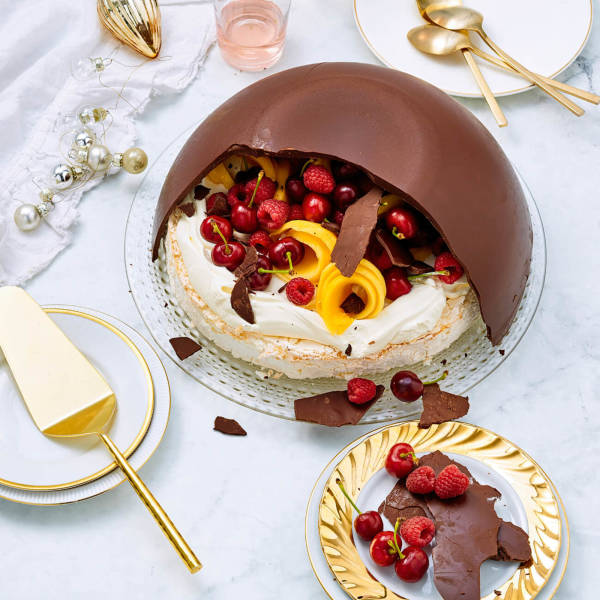
Smashed Pavlova with seasonal stone fruits – there is just a little teaspoon of cornflour in this Pavlova recipe but when there is a coeliac visitor, one has to be extra careful. This is not just Gluten intolerance, but allergy!
Gluten-free Option – Chocolate Brownie
For the Moth: Warm Plum Pudding served with custard and ice cream
(not gluten-free)
What kind of different dishes are you cooking this Christmas?
Are you breaking from preparing traditional foods?
With Australia in the midst of winter colds and what seems now the ever-present spectre of Covid threatening us, it seems fitting I re-visit an old recipe post from pre-Covid times.
It has been some time since I cooked Chicken soup for a sick teenager, but I remember it like it is yesterday.
Chicken Soup Makes you Feel Better
Setting: Pre – Covid days when teenage boys roamed my house
“Ahhhh, I feel sick, I think I’m coming down with a cold,” wailed my teenage son as he came home from school, one day.
“Oh dear, you do look a bit pale, I’ll make some Chicken soup for you to…” I begin, before I am abruptly cut off with a, ‘Talk to the Hand,’ kind of gesture, frequently observed in male adolescents.
“Fine,” I then respond, trying not to feel rejected and putting on a nonchalant face. “But it helps me feel better, when I feel ill,” I plead, as the teen, now making a hasty exit from the kitchen, heads straight for the lounge.
In one swift movement, he has grabbed the remote control and launched himself into the air, landing lengthwise on the Ektorp lounge like some ‘lounge lizard‘, flaked out on sedatives.
During this pseudo-aerial display of slothfulness, Number #1 Son and older brother to the Teen and self-confessed germophobe seated on the floor in front of the TV, [apparently, there are no suitable chairs in the house], looks at his brother in horror.
It is clear he is nearly beside himself with the knowledge that something as infectious as a common cold, has entered his personal space and so abruptly leaves the room, mumbling something about establishing a quarantine zone, and swearing not to touch the TV remote, for at least two weeks!
Unsurprisingly, I know his father will hold no issue with that comment, detected by the sudden throat clearing and smirk I see building across his face.
Amidst the sniffles and sneezes, now reaching somewhat of a crescendo from the lounge lizard, I begin to assemble the ingredients for Grandma’s Chicken soup – lots of parsley, garlic, all manner of vegetables and a bit of extra salt.
Salty Foods are Helpful
Believe it or not, salt can actually be good for you when you are sick, (just make sure to drink plenty of water/fluids with it to prevent dehydration). This is basically the only time eating something as salty as potato crisps, could be seen to do any modicum of good, so make the most of it, I say.
Believe it or not, there is now proof that Grandma was right, after all, in serving up Chicken soup when someone in the family is sick, so there is a method in my madness, (if you’ll excuse the cooking pun).
The Science of Eating Chicken Soup When you are Sick
Researchers have found
“…chicken soup does have a mild anti-inflammatory effect and can reduce the impact of a cold. The American journal of Therapeutics says carnosine in chicken is the ingredient that most likely helps our immune system.”
Fitwise Magazine 2014
Furthermore, Lisa Renn of the Dietitians Association of Australia says,
“there are studies that say chicken soup is beneficial in improving symptoms such as a runny nose, coughs, sneezing, sore throats and chills.”
Dietitians AA
So what, you might ask, does the ailing teen do when I place a tray of hot, steamy, freshly-made chicken soup on his lap?
He gobbles it up so fast, it is practically inhaled!!! And yes, despite the glazed looks teens often give you when the TV is on, I did hear a nasal, “Thanks Mum,” somewhere amidst the slurping noises, which like Grandma’s Chicken soup, warms my spirit!
Grandma’s Chicken Soup Recipe
1 Chicken Breast, sliced thinly or cooked leftover chicken
400 mls good quality chicken broth (either make your own from boiling a whole chicken or use a stock cube/good prepared broth – I use Campbells)
2 medium onions sliced/diced
2 sticks celery, finely diced
1-2 cloves garlic
2 carrots, julienned
Shallots – 1/4 bunch, finely sliced
I large handful of Parsley, diced
1/4 cup frozen beans or peas
Creamed corn – I medium can, drained
Sweetcorn kernels – I small can, drained
Lemon juice ( 1/2 lemon)
1 egg, lightly beaten
salt and pepper to taste
Optional Extras:
2 Handfuls of any other vegetable, such as broccoli, cabbage, cauliflower, sweet potato, that you may wish to use, diced, shredded or broken into small florets.
Method
Sauté onion, garlic and celery in a large saucepan
Add the chicken stock and bring to a simmer.
Add carrots and optional veges and cook for around 6 minutes
Add the chicken strips and stir till they change colour and cook through completely
Add the shallots, parsley, frozen beans/peas, and cook a further 2-3 minutes
Add corn, lemon juice and finally add the egg, whilst stirring
Add seasoning to taste.
Serve with bread or alone, it is oh, so good!
Serves 4 people (or 2 teens!)
Variant:
Throw in 1/4 cup Arborio rice and stir – cooking the dish, for another 8 minutes or until rice is completely cooked through. This turns it into a thick casserole type of dish.
Slow Cooker Chicken Soup Option
Throw all the ingredients in the Slow Cooker adding water to cover and return home at the end of the day with the house smelling like Grandma – in a good way, of course!!
I have always been reluctant to use yeast in the kitchen. I have had bad experiences with dry yeast sachets.
Either I heat the yeast granules far too much in my anxiety to make the dough rise, or the resulting dish tastes of something that I really can’t describe. It’s not an awful flavour but a slight kind of aftertaste. It is not sweet. I am not sure if this is yeast or something else.
The taste of cinnamon scrolls takes me back to Denmark and Finland, but generally all of Scandinavia. In Denmark, you see these rolls and pastries everywhere, from 7/11 stores (which surprisingly are some of the best), to small cafes and even gas stations kiosks. They are both ubiquitous and synonymous with Scandinavian traditions. Whether they be soft sweet bread or the flaky Danish style pastry, cinnamon is the main theme.
The first thing my daughter wanted to do on our return to Denmark was to eat a Cinnamon ‘snail’ or ‘Kanelsnegle.’ This is the kind of flaky pastry that is thin and wound round and round similar to the shape of a snail’s shell.
A cinnamon bun in Finland
Eating various kinds of cinnamon pastries is some kind of birthright in Denmark, and I have it. No question. I enjoyed a huge cinnamon bun in Helsinki one year. I didn’t eat anything else until dinner that day.
Cooking with Yeast
It is not that I have not cooked with yeast before. I have. I used to make my own bread but that was using baker’s fresh compressed yeast and it was brilliant. A never-fail kind of yeast that was guaranteed to make bread products rise beautifully. Not so the sad results of my experiences with the dried variety of yeast.
Nevertheless after 38 years, I decided it was too time to try again or hang up the dried yeast forever. And Cinnamon buns was the perfect tester. Ju-Lyn’s Cinnamon bun photographs looked perfect and the texture was soft and bouncy.
Furthermore, Cinnamon is so good for you. Packed with Antioxidants, cinnamon may lower blood sugar as well as assist in managing heart disease and inflammation in the body.
The Result of Cooking Cinnamon Buns with Dry Yeast
This was the moment of truth. Would they be hard as rocks or soft and bouncy?
I can reveal that I was over the moon with the result.
No aftertaste and a nice even texture on the rolls. They rose as the recipe suggested and Ju-Lyn’s clear recipe tips helped enormously. One minor adjustment would be to substitute water instead of milk but that is only personal preference.
Here they are:
If I can convince you to make them or at least experiment and you would like the recipe, you can find it at the blog: purplepumpernickel.
Who wants to spend too much time in the kitchen these days?
Even with Covid lockdowns, the easier and simpler the recipe, the better it is for everyone. Right? This Chocolate Brownie recipe will be perfect to whip up for Afternoon or Morning Tea treats, school lunches, surprise gifts for friends and impromptu family visits.
In just 45 minutes you can serve up this mouth-watering delight.
The dark chocolate component of this slice makes it a healthy option, when eaten in moderation. Provided you use quality dark chocolate with a high cocoa content, then it is actually quite nutritious.
It {Dark chocolate] contains a decent amount of soluble fibre and is loaded with minerals. 100 grams (3.5 ounces) is a fairly large amount and something you should consume in moderation. All these nutrients also come with 600 calories and moderate amounts of sugar. The fatty acid profile of cocoa and dark chocolate is also excellent. The fats are mostly saturated and monounsaturated, with small amounts of polyunsaturated fat.
1 cup self-raising flour (All-purpose flour with 1 tsp baking powder and well sifted)
Butterscotch Sauce
2 cups brown sugar
250 ml or 2.5 dl cream
50 g or 1.75 oz butter
1 teaspoon vanilla extract
Method
Preheat oven to 180 celsius (375 F) – slightly cooler for fan-forced.
Grease and flour/line a base of a 20 cm cake pan.
Combine the dates, boiling water and baking soda in a bowl. Allow to stand for 30 minutes.
Cream butter, brown sugar and vanilla until creamy with an electric mixer.
Add eggs, one at a time, beating well after each addition.
Add the date mixture and flour and mix until well combined.
Pour into the prepared cake pan.
Bake for 35 – 45 minutes or till a skewer inserted into the centre comes out clean
To Make Butterscotch Sauce
Combine all ingredients in a saucepan over a medium heat on the stovetop.
Stir regularly and bring to the boil.
Simmer for 1 minute until butter and sugar have dissolved.
Pierce pudding all over with a skewer. Pour sauce over warm pudding. Stand for 10 minutes.*
Serve warm with ice cream or as you prefer.
Variation:
I served the pudding as it was out of the oven. I let it cool slightly and then cut it into wedges, to serve with the sauce and icecream. Pouring the sauce over immediately prior to serving.
* The recipe recommended letting the sauce sit and permeate through the whole pudding, however, I prefer a slightly firmer texture better, than a soggy pudding.
It is up to you how you tackle that!
#onecakeaweek
Follow this blog for more recipes. They are posted weekly at the Home by the Sea

















 A Home by the Sea
You must be logged in to post a comment.