My kids have moved home due to job loss/constraints and we speak to most of my friends via phone, messaging or if they are locals, in person, but at a social distance.
The air is cleaner and the traffic calmer.
Life has slowed down.
I like that.
People are educating their kids at home, spending quality time with then that will become treasured memories in later life.
Time with your children can never be traded back later.
It is a once-only ticket to a perpetual show that changes EVERY DAY and never has an encore.
The Mountains known as Glass House on the horizon near my home
I feel pretty lucky to be living where I do – a great mix of city and coastal life, without the frenetic pace. But there are two things I do miss, Sandy.
Forget the Banana Bread, that is so yesterday! The new kid on the block at the Home by the Sea, is a breakfast Fig and Walnut Loaf.
Never having with Figs before, I was convinced to give it a go when my local cafe shut down. One of their signature breakfast dishes was a delicious Fig and Walnut Loaf. Not to be defeated, I decided to replicate this delight on my own.
The recipe was simple and straightforward, however I recommend exercising restraint with the quantity of figs. 250 grams of Figs constitutes a a whole packet and I only added half of that amount to this mix. That was more than enough and still leaves you with a very figgy loaf, which is fine, but I would suggest reducing the figs to 100 grams and adding a tad more walnuts.
But that is just my personal taste.
Suggested Variations
A nice variation would be to substitute a blend of Dried Apricots and Figs, or a mix of nuts. I suggest hazelnuts or pecans as well as walnuts.
I am sure you will absolutely love this dish for breakfast. As it takes 90 minutes to cook a deep loaf, I used two small loaf tins and a long 20 x 10 cm pan. The smaller pans were done in 30 minutes, whilst the larger took 75 minutes at the recommended temperature.
Fig and Walnut Loaf Recipe
Ingredients
125 grams or 1/2 cup unsalted Butter, chopped
1 1/2 cups Water
1/2 cup Buttermilk or Kefir
250 grams or 1 cup Dried Figs**
2 eggs, beaten
1 1/4 cups Brown Sugar
2 cups Wholemeal Spelt Flour, sifted
2 teaspoons Baking Powder
1 teaspoon Mixed Spice
1 cup Walnuts, chopped
1/2 cup Dessicated Coconut
Method
Grease and line a large Non-stick Loaf Tin
Place butter and water in a large saucepan and heat over medium heat.
When butter is melted, add figs. Bring to the boil and remove from heat.
Transfer figs and butter mixture to a large bowl and allow to cool.
Add buttermilk, eggs, brown sugar, flour, baking powder and mixed spice to bowl and stir to combine.
Add walnuts and coconut and stir one last time.
Pour into prepared tin.
Bake in 160c oven for 90 minutes.
Slice and serve with butter, and Garnish with mint, strawberries and dusting of icing sugar.
The weather is getting cooler at the Home by the Sea. Could this affect the number of bubbles I see in the starter?
Sourdough Problems or Not?
Since I attended one of those slightly cringeworthy Tupperware parties of the 80’s, I always store my white flour in the fridge. I never get weevils or pantry moths in my flour due to this storage method. However, I got to thinking that this might make the sourdough more sterile, due to a lesser number of bugs. So I ask the bread-making veterans: Would this make a difference?
Day 6
The Starter seems to have run out of steam, a little and I am looking for explanations. I do have a confession to make:
I added the morning feed quantity at the evening feeding and the following morning it was very liquidy on the top.
I may have overfed it!
I may have killed it?
I continued feeding the batch I was intending to keep and use, and left aside this ‘to be discarded if it doesn’t do anything’ batch, for a day but it didn’t seem to improve.
Not many bubbles, compared to day 2, which is seen below.
I have no idea as to whether it is still alive, or if I am flogging a dead sourdough mother.
Over at StPA, I spoke of the Anzac Day spirit living on throughout Australia, as it does here at the Home by the Sea. Today, April 25, is Anzac Day. This morning we experienced an Anzac Day, like no other.
Due to the risks associated with Covid-19, Australians were unable to hold communal memorial ceremonies, at the shrines in each and every suburb, as is the norm.
Our first Anzac Day at the Home by the Sea, was always going to be unique.
In our street and across every residential streets of Australia, people turned out to stand on their driveways, at 5.55 am in order to hold a candlelight line of honour in memory of the Anzacs and sacrifice of servicemen and women.
Thanks to a bugler two streets away, the Last Post wafted quietly over the rooftops and the suburban streets, which had fallen into a 5-minute silent vigil, as a mark of respect. Hearing this tune chokes up the hardiest person, once you know what it represents.
The haunting tune, made eerily more real as humanity battles the Corona virus.
Flags hung from balconies, garage doors and windows. Later, street barbeques with appropriate social distancing were held at lunch. The R.S.L. branches held ‘Two-up,’ online! A first.
Me, I made Anzac Biscuit from my own recipes and shared them (observing appropriate Hand Hygiene practices), with the local community. Rick, our self-appointed neighbourhood watch trooper who scoots about on his Power Wheelchair, was a grateful recipient, scooting off to share the still warm biscuits or cookies, with his “Mrs.”
After being late with the P.M. feeding of my starter last night, I was a little concerned that it may not be fermented enough by the time the morning feed was due, but comments from supportive fellow bloggers and my Sourdough mentors, Peggy,Sandy and Chris, relaxed me about the process.
A Forgiving Dough
Mary from Mary’s Nest Sourdough website, states that you can change/swap or alter your sourdough starter as you go along, from white to rye, or wholewheat. What flexibility! [Happy Dance]
I started this process using a mix with half whole wheat flour and half white flour, as this is the mix most of my family and me, prefer. This excludes the fastidious Moth, of course. He is a committed, refined-bleached- white flour man, who likes his bread ultra-fresh and soft as a baby’s bottom. That is a bad comparative metaphor for bread, but you get my drift.
So Day 4 Dawns, and I feed this mother of all sourdough mixes.
Some exponents, including Sandy, prefer using equal parts flour and water, by weight in their starter mix, and I might still do that. I guess I can change it up as I go along, with this ultra-flexible sourdough mix.
After all, as Chris pointed out in a previous comment, people have been making bread this way for millennia, and most likely didn’t have clocks, timers or accurate scales to measure ingredients.
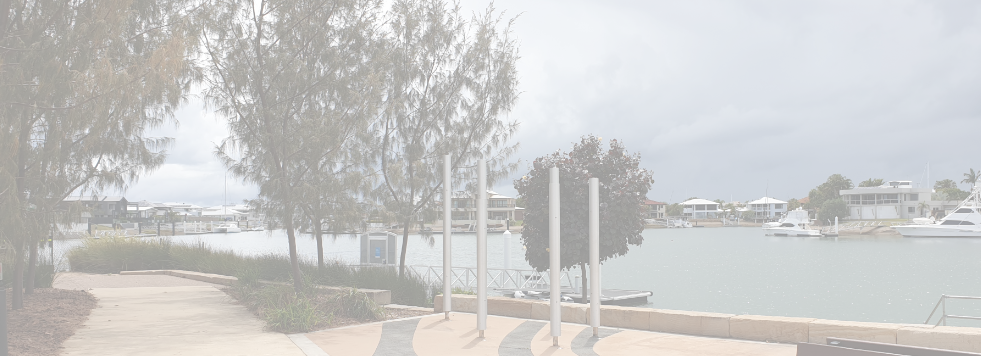
I walk daily to the beautiful lake near our home by the sea.
There are many new homes being constructed in this area at present, thus there is always something new to see along the way. But the real attraction is the birdlife in this area, such as this Heron.
As a Chinese symbol, the Heron represents strength, purity, patience and long life.”
I hope this might mean that both the Heron and I have a long life!!
Sometimes we even see the local kangaroos and their joeys in this area. Meanwhile, the Heron continues stamping the slightly soggy ground on the street’s verges looking for some food.
Today, however, we took a long walk in the opposite direction to the roos and away from the foraging Heron.
A new sports facility has opened up. In the current environment, this means that the ground is open, but as the football competition has been closed for the season, I am not sure if you could call it open, but officially it is.
We continue walking from the main road towards the “basin,” or pond. This is a mini wetland area that has attracted a variety of birdlife.
With a larger wetland environmental area opposite, the birds have plenty of food sources.
On closer inspection we could see cormorants, drying their wings in their familiar crucifix-like gesture, welcoming the morning rays of sunlight as well as a Black swan and the odd Ibis. A Willy Wagtail pair tweeting their way along the path in front of us, danced lightly on the ground. They were gone before I could photograph them.
We saw Moorhens chicks stepping their way through the waterlily pads, a perfect adaptation to the watery environment.
This Mother was calling her wayward adventurous chick, and had to chase after her to give her some food.
The cutest of all were these little ducklings. Covered with down, they dipped their heads under the water, but never really that far from Mother Duck.
New Sports Facility for Australian Rules Football
This football field will be a training ground for the local Australian Rules Football club. If you are not Australian, you might not know of this game. Developed as a way for the cricket players to maintain their fitness in the off-season, ‘Aussie Rules,’ is played on a large oval with four posts at either end. It is basically a kick and catch type of game, with elements of basketball thrown in for good measure and a few penalties along the way to add excitement. The players are tall and lean, and very muscular, and I might add, very highly paid.
The Football Clubhouse looks forlorn and vacant and I think of the term ‘white elephant’ when I look at it. It awaits the demise of Corona as we all do.
A storm was heard in the distance, towards the Northern coast. Highly unusual for this time of year, it did not threaten us, but we did get to see some gorgeous coloured sky and cloud formations.
The simple pleasures of life.
Some days I feel that the lockdown won’t ever be over. I push that thought aside and continue my walk from the ground back towards the estate.
Just before we hit suburbia again, there is an Eco-corridor. The Magpies are up early hunting for their breakfast and I am getting pretty peckish too.
The early bird gets the worm, I hope. Can you see four birds in these pictures? Three were magpies and the fourth, an Indian Myna bird.
That completes Monday’s Walk at the Home by the Sea. Thanks for walking along with me in the virtual sense.
Day 3 dawns and I finally get to engage a bit more with my Sourdough starter.
It’s been sitting for two days. Like a child, it must now have a morning and evening feeding – twelve hours apart.
I raised the lid on the glass container and there were bubbles, loads and loads of them.
Maybe too many?
Mary from Mary’s Nest said a wide glass jar allowed for better fermentation. I did place it on the benchtop near the, oh so warm, slow cooker all of yesterday, and it WAS a warm day weather-wise. Perhaps it was too hot for the yeast?
Have I killed this sourdough baby before it has even had a chance to grow?
Would there be bubbles and fermentation if I had indeed, killed it?
The mix smelt really yeasty, but perhaps too yeasty. I did a quick image search on Google. It didn’t look like mould but maybe it smelt like it? I decided to feed it and see if it would grow. If it was dead, it wouldn’t grow, would it?
As nothing much is happening on Day 2 apart from stirring the sourdough. The little yeast organisms can does their job fermenting on the benchtop.
Meanwhile, I thought I would share some abridged snippets of useful information.
Preservative and Chemical Free Bread
Sourdough is free from other types of breads that have oils, sugar, preservatives, and other chemicals in their ingredient list.
Besides affecting the flavour of the bread, chemicals and additional ingredients are often added to other breads because they can’t stay fresh as long as sourdough can or fend off mould as well. The presence of bacteria, due to sourdough’s unique fermentation process, improves sourdough’s nutritional profile. This allows for better nutrient absorption, improved gut health, and some studies have even shown fermentation alters the structure of carbohydrates in the dough for better blood sugar control and a lower score on the glycemic index.
Bread for Gut Health
Sourdough’s fermentation means it is gentler on our digestive tract and may be tolerated by those with a sensitive tummy. This is possibly attributed to the breaking down of a carbohydrate in wheat called fructans which can mimic gluten intolerances. Phytic acid, also present in bread and wheat products, causes digestive issues and sourdough bread neutralizes the effect of phytic acid on the body.
As varieties of wheat have changed over the years, it is possible the changes in composition of the grains, may be the reason some people assume they are gluten intolerant.
Shortcut to Making Your Own Sourdough
This Whole-Wheat Bread recipe recipe only takes 12 hours, compared to almost a week. Probiotic-rich yogurt and vinegar mimic the tangy flavor of sourdough without the need for a starter.
At the moment, fresh food is in short supply and it looks like we will have to find alternate methods of ensuring we have access to the wonderful array and choices of food that we have all grown accustomed to having in our pantry. Such as basics like bread, pasta and toilet paper…
D.i.Y is on the rise! Hopefully not with toilet paper but D.I.Y bread is very popular.
I have an idea to make my own bread, but I never had much luck with using dried Yeast.
Many years ago, I use to cook my own bread -it was a blend of whole wheat and white bread, something that you could not obtain in the shops in the 1980’s. It was delicious, albeit with large airholes in the bread but the taste was fantastic when it was just out of the oven!
I made this bread using compressed yeast. This method worked really well and I often made whole wheat fruit buns and fruit loaves and they all turned out fine. They looked a bit like this.
I don’t have any photos of mine to show. Clearly I wasn’t the shutterbug that I am now!
It seems you can no longer get compressed yeast – trust me I have asked around. Even the Bakers themselves, do not seem to use it any longer, so a sourdough starter maybe an alternative bread raising agent.
Plus sourdough is good for your gut biome as the information below indicates. (I know M-R will totally disagree if she reads this!)
Vitamin and Mineral-Rich
Sourdough is a great source of several minerals such as iron and selenium. Iron and selenium helps protect our immune system, cells, and tissue. Sourdough is also a great source of many B vitamins, which assist in proper nervous system function and help regulate our metabolisms.
Prebiotics are a type of indigestible fibre that keep your gut healthy by feeding the good bacteria, called probiotics, that live there. The presence of prebiotics in sourdough is thought to make it easier to digest than many other breads and the presence of probiotic cultures have shown to increase vitamin and mineral absorption. The probiotics themselves don’t survive the baking process, but the lactic acid bacteria produced during fermentation remains and provides the benefits. The presence of lactic acid bacteria in sourdough has shown to also contain antioxidant benefits, safeguarding your body against illness.









You must be logged in to post a comment.